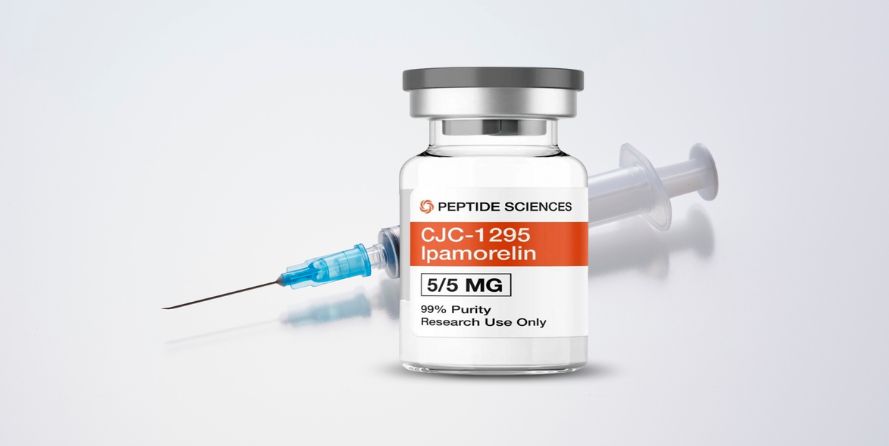
cjc-1295 ipamorelin sleep benefits
1.1Peptide Signaling Biology & Receptor Pharmacology Peptides as signaling molecules versus small-molecule drugs and hormone replacement Receptor classes encountered in peptide practice (GPCR, receptor tyrosine kinase, nuclear, ion-channel) and how class predicts the side-effect profile Agonist, partial agonist, antagonist and biased-signaling concepts applied to named agents Endogenous versus synthetic analogs: why sequence modification changes selectivity Downstream second-messenger cascades studied in peptide literature (cAMP, PI3K/Akt, NF-κB, AMPK, mTOR) Receptor desensitization, tachyphylaxis and the rationale behind cycling schedules Species-to-species receptor differences and why they limit preclinical extrapolation 1.2Pharmacokinetics, Routes & Delivery Systems Absorption, distribution, metabolism and elimination of peptide therapeutics Enzymatic degradation, DPP-4 cleavage and half-life engineering (acylation, pegylation, DAC/albumin binding, stapling) Subcutaneous and intramuscular administration: depot behavior, site selection, rotation Intranasal delivery and blood-brain-barrier considerations for neuropeptides Oral and liposomal peptide delivery: bioavailability limits and the formulation claims to interrogate Topical and transdermal peptide delivery, penetration enhancers and microneedling-assisted uptake Dosing cadence: pulsatile versus continuous exposure and what each is studied to model 1.3Reconstitution, Dosing Math, Storage & Stability Lyophilized product handling, diluent selection (bacteriostatic water, sterile water, sodium chloride) Concentration math: mg/mL, units on an insulin syringe, dead-space and draw-up error Multi-agent vial planning and the arithmetic behind blended prescriptions Cold-chain requirements, beyond-use dating and what degrades a peptide in the patient's refrigerator Light, temperature, freeze-thaw and pH stability factors documented on a certificate of analysis Patient-facing reconstitution instruction and teach-back verification Sharps, disposal and home-storage counseling in the medical record 1.4Evidence Literacy: Reading the Peptide Literature Evidence tiers applied to peptides: mechanistic, in vitro, animal, case series, controlled human trial Reading a rodent tendon-healing study and stating precisely what it does and does not support Trial design literacy: endpoints, powering, blinding, surrogate versus clinical outcomes Identifying preprints, predatory journals, sponsor-funded reviews and conference abstracts without full data Grading the evidence behind a claim before it is repeated to a patient Translating an evidence tier into consent language and expectation-setting Building and maintaining a personal evidence file per agent that is refreshed as literature moves Module 2 · 4 lessons · 31 topics Regulatory, Sourcing & Compounding Quality Peptide regulation moved twice since 2023 and is still moving CellLabs GlutaPlus – Glutathione Supplement https://www.researchgate.net/publication/283306009/figure/fig1/AS:290183208554504@1446196476122/Cystathionine-beta-synthase-CBS-as-a-key-enzyme-in-the-homocysteine-metabolism.png Quantity:1 Month Supply firming and hydrating serum





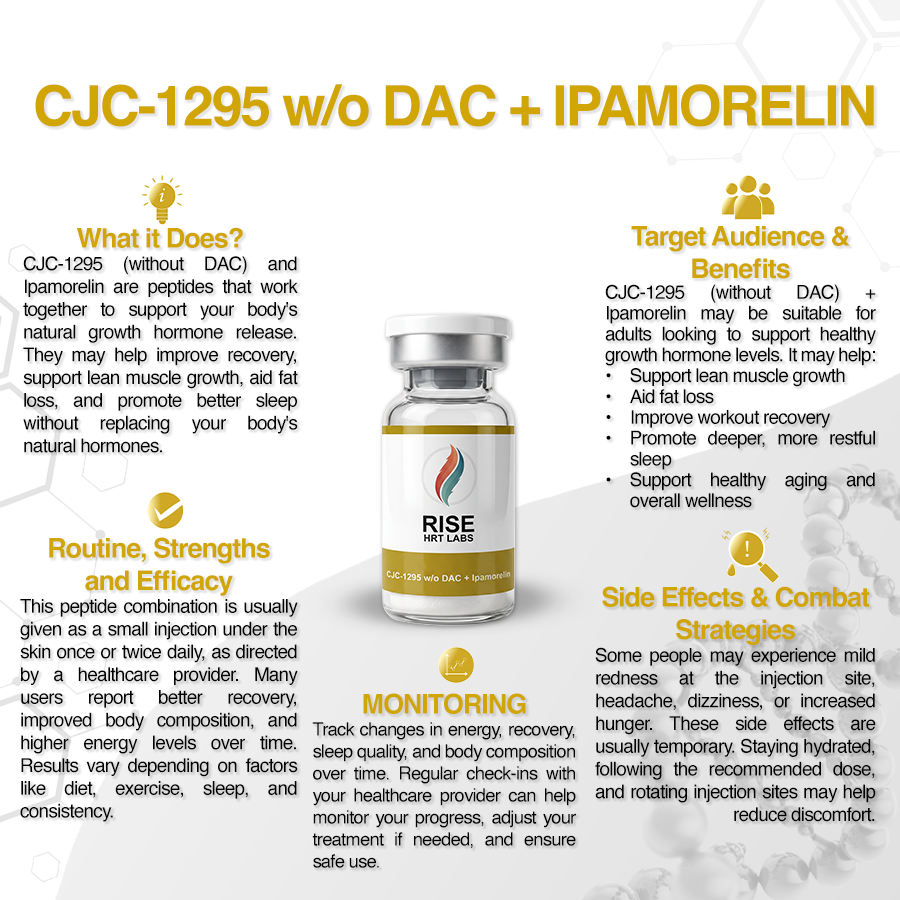
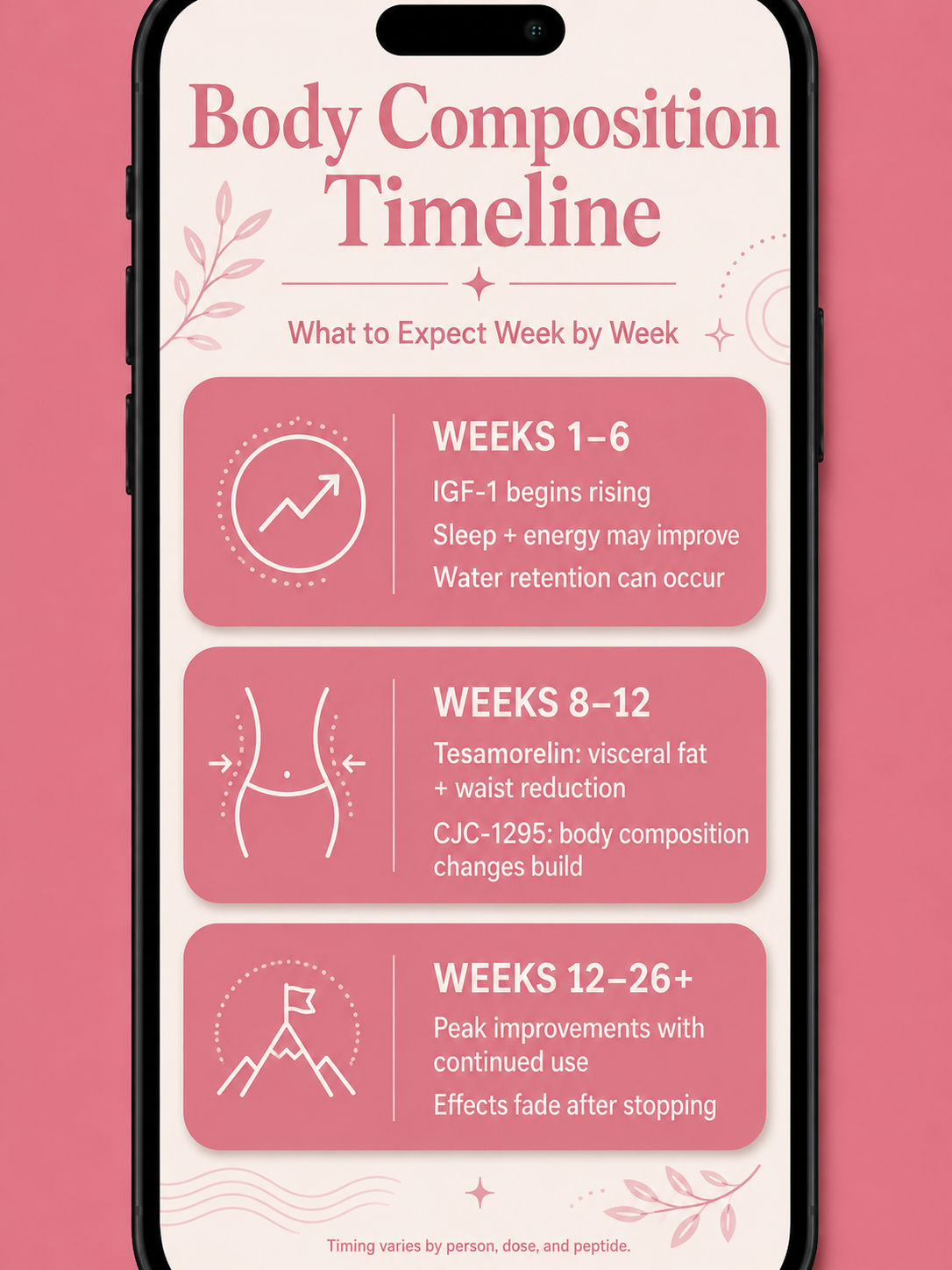

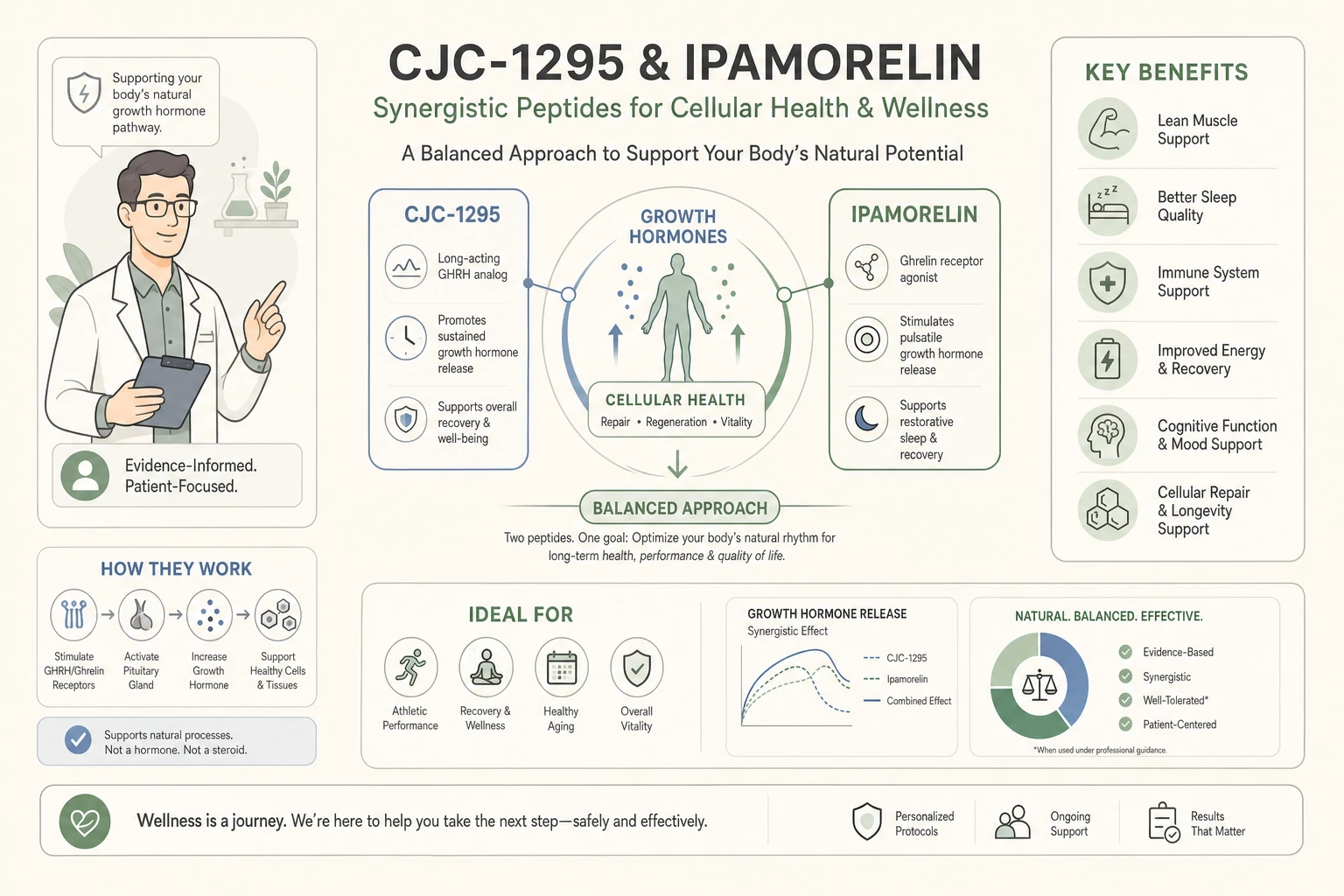

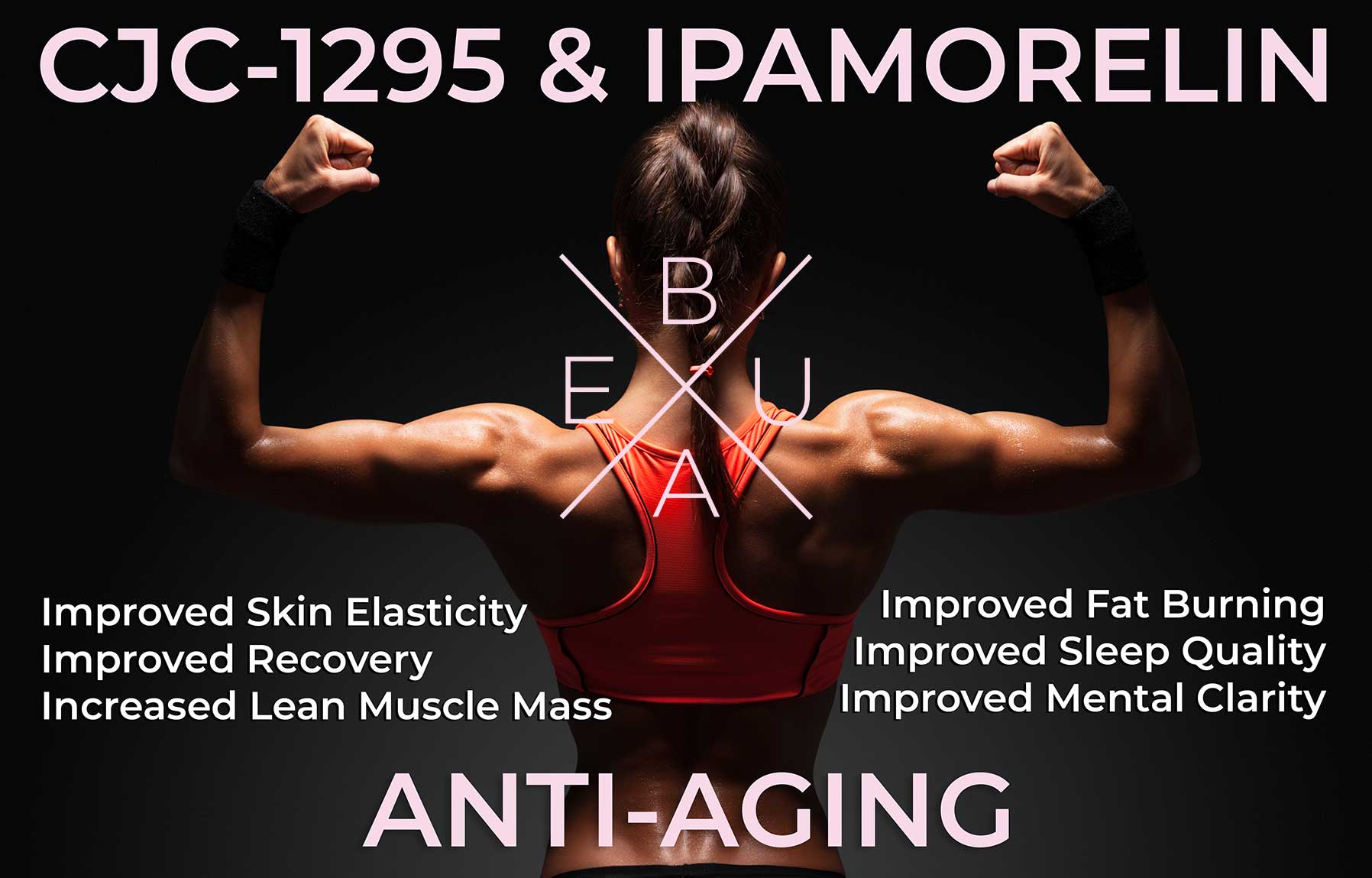


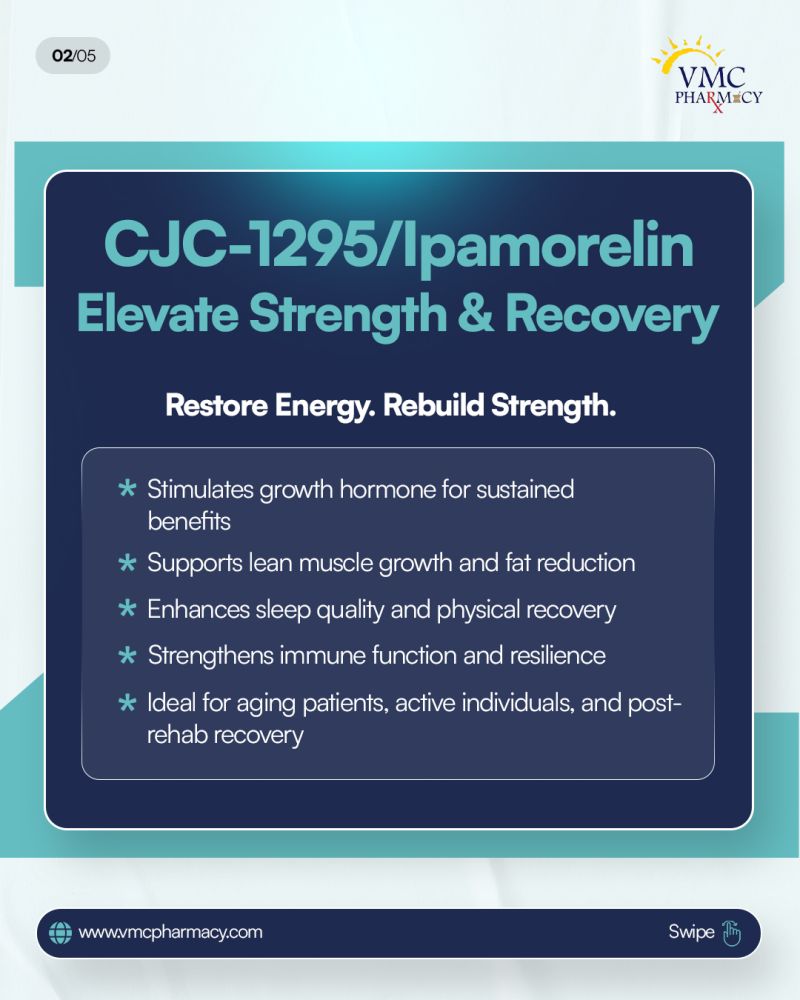
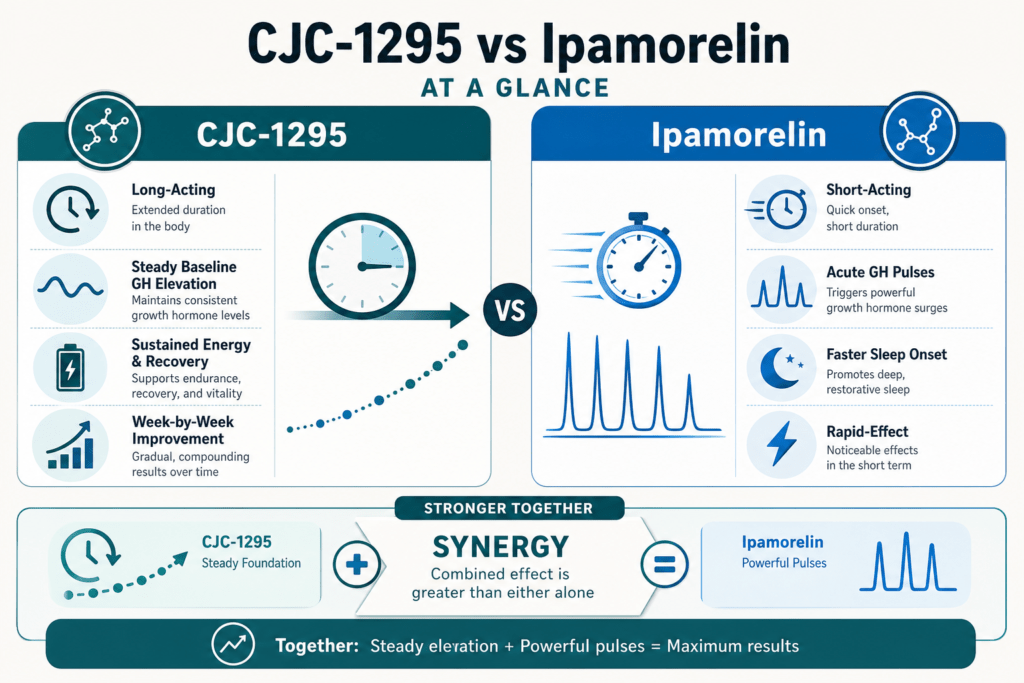

Frequently Asked Questions for cjc-1295 ipamorelin sleep benefits cjc-1295 ipamorelin effects on sleep quality What Is CJC 1295 Ipamorelin? Discover its wellness benefits Healthy Origins L-Glutathione Reduced, Sessions:1 Session all-skin-types –
How can I keep a useful record of a support chat?
Do not keep only a sentence whose context changes its meaning. Use a relevant excerpt when only one point needs clarification.
What does a verified-purchase label on a review tell me?
Check whether the review concerns your intended product option. Check whether the platform explains the limits of its verification.
What should I check when current terms differ from my saved order information?
Likewise, avoid assuming an old saved page applies to a newly selected offer. Review later communications for a specific confirmed amendment.